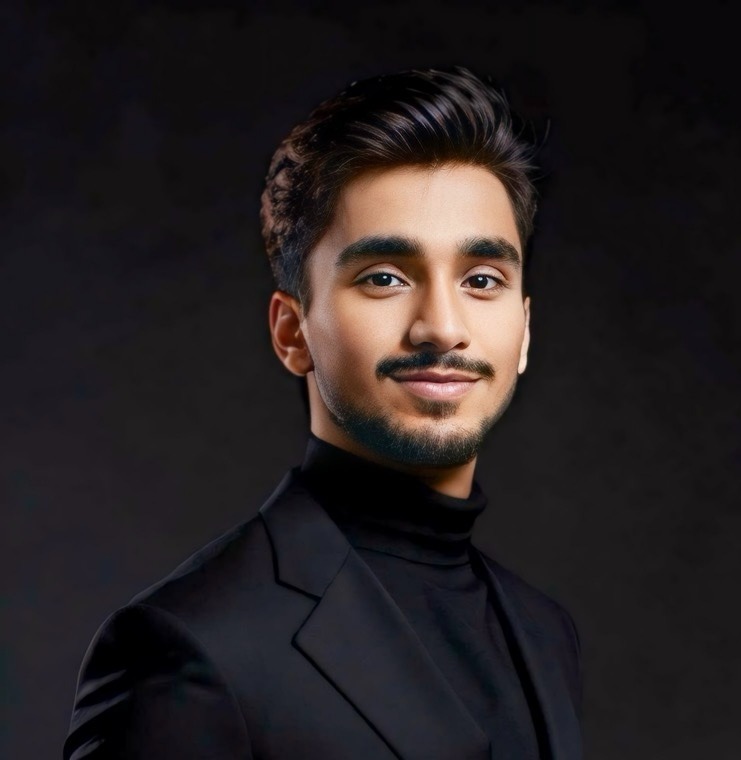
Watch enough AI-generated mascot content and you start noticing the same failure a second before your brain does. The face is fine. The voice is fine. But something about the two together makes your skin crawl, and you can't immediately say why. That gap — between "technically correct" and "feels wrong" — is where most brand mascot projects die before they ever reach a second video.
The uncanny valley isn't a vague vibe. It's a specific, mostly solvable production problem, and by mid-2026 the tools exist to solve most of it. The catch is that solving it takes more than typing a prompt into a video generator and hoping. For a complementary look at technical consistency setups, read our piece on character rigging for talking mascots.
Why Talking Characters Break the Uncanny Valley Faster Than Static Ones
A static AI-generated mascot image can look convincing almost by accident. A talking one exposes every seam. Coordination between lips, tongue, teeth, jaw, and throat still falters in complex speech, and the mismatch between audio and visual timing creates discomfort even when individual frames look fine on their own. This is the core reason a mascot that looks great in a thumbnail can look wrong the second it opens its mouth in a video.
Motion makes this worse, not better. Extended speech sequences reveal problems that a single still image hides completely — a face can hold a convincing neutral expression, but strong emotion requires coordinated changes across the whole face and body at once, and that coordination is still the hardest thing for AI video models to get right. A brand mascot that only ever speaks in flat, low-energy delivery avoids some of this risk. A mascot that's supposed to be excitable, funny, or expressive runs straight into it.
There's a useful reframe buried in how production teams are actually solving this: the uncanny valley isn't really about overall realism. It's about a handful of specific signals — blink rate and gaze targeting, jaw rotation and lip compression, small stabilizing head movements, and whether the voice's emotional tone actually matches what the face is doing. Teams that prioritize those signals, rather than chasing surface-level photorealistic detail, tend to get out of uncanny territory faster than teams pushing for maximum visual fidelity alone.
That has a direct implication for mascot design: a character that reads as clearly animated, stylized, or cartoonish tends to avoid the uncanny valley almost entirely, because audiences don't expect it to behave like a real human. The valley shows up specifically when a character aims for human realism and then violates human expectations by a small margin. This is one reason most successful AI brand mascots — Duolingo's owl, Mailchimp's Freddie, Hootsuite's Owly — are stylized rather than photorealistic. They were never trying to pass as human in the first place.
The Two Failure Points: Face and Voice, Separately
It helps to treat "does the mascot look uncanny" as two separate engineering problems rather than one.
Character consistency across shots. The most common visible failure in AI mascot content isn't a bad single frame — it's a character whose face subtly shifts between shots, or whose proportions drift as the video continues. This is the specific problem that reference-image character-lock features are built to solve. Runway's Gen-4 line, for example, centers its production workflow around locking a character's visual identity using multiple reference images, so the same character holds its identity across different shots regardless of angle or lighting change. Other current-generation tools, including Kling and Veo, offer their own versions of image-to-video reference control aimed at the same problem: keeping a character recognizable as itself, shot after shot, rather than regenerating a slightly different character every time.
Voice that actually matches the face. The second failure point is audio that's technically clear but emotionally flat, disconnected from what the mascot's face and body are doing. This is where voice cloning tools have made the most real progress. ElevenLabs' newer Eleven v3 model, for instance, supports audio tags and multi-speaker dialogue with expressive delivery across a large number of languages, aimed specifically at emotional range rather than just intelligibility — while its Flash v2.5 model trades some of that expressiveness for near-instant latency, which matters if the mascot needs to respond in something closer to real time (a live chat presence, for example, rather than pre-rendered video). Choosing the wrong one of these for the job — a flat, latency-optimized voice paired with an expressive, animated face — is a quieter but just as damaging version of the uncanny valley problem.
A Practical Framework for Choosing Your Mascot's Realism Level
Before touching any generation tool, it's worth deciding deliberately where your mascot sits on a realism spectrum, because that single choice determines how much uncanny valley risk you're taking on.
| Style | Uncanny valley risk | Best fit | Production complexity |
|---|---|---|---|
| Cartoon / stylized 2D or 3D | Low | Social-first brands, high posting volume, kids or lifestyle audiences | Lower — style tolerates minor inconsistencies |
| Semi-realistic illustrated | Medium | Brands wanting warmth without full commitment to photorealism | Medium — needs consistent character locking |
| Photorealistic human-like avatar | High | Corporate explainer, spokesperson-style content | High — every frame gets scrutinized against real-human expectations |
The instinct for a lot of brands is to reach straight for photorealism because it looks most "premium" in a pitch deck. In practice, that's the riskiest lane. A photorealistic avatar sets audience expectations to "this should behave exactly like a real person," and any small inconsistency — a slightly wrong blink timing, a beat of lip-sync drift — reads as broken rather than stylized. A cartoon or illustrated mascot gets far more forgiveness for the same technical imperfections, because the audience never expected human-level fidelity in the first place.
A Realistic Production Workflow
Here's roughly how we approach a talking mascot project end to end, because the order these steps happen in matters as much as the tools themselves.
Phase 1: Lock the character before animating anything
Generate and refine a set of reference images — front, profile, and a few expression variants — before a single second of video gets produced. This reference set is what a tool like Runway's character-lock feature or comparable image-to-video reference controls in Kling and Veo actually use to hold the character steady across shots. Skipping this step is the single most common reason mascot projects end up with a character that looks slightly different in every video.
Phase 2: Design the voice separately from the face
Decide the mascot's vocal personality — pace, warmth, energy — independently of how the character looks, then match a cloned or designed voice to that personality using a platform like ElevenLabs. This is also where the model choice actually matters: an expressive model for pre-produced hero content, a lower-latency model if the mascot needs to feel responsive in something closer to real time.
Phase 3: Generate short, then stitch
Current-generation video models are strongest in short bursts — most reliable output still comes in clips well under 20 seconds before consistency starts to degrade. The realistic workflow is to generate several short takes of a line reading, keep the best one, and edit multiple clips together into a longer sequence in a proper NLE rather than asking one model to carry an entire 60-second monologue in a single generation.
Phase 4: Edit for the seams a model can't fix on its own
This is the phase that separates a usable mascot video from an unusable one, and it's almost entirely human judgment: smoothing a cut where lip-sync drifts for half a second, adjusting pacing so a joke actually lands, correcting color and lighting continuity between generated clips, and making the final call on which takes are actually usable versus which ones look almost right but not quite. Overgeneration is normal here — expect to generate meaningfully more takes than you'll ever use, and budget the editing pass accordingly rather than treating the first generation as the final cut.
That last phase is worth being honest about. AI genuinely speeds up the parts that used to require an illustrator, a voice actor, and a recording studio. It does not yet reliably produce a finished, brand-ready mascot video from a single prompt with no human review — and any studio or tool telling you otherwise is selling the pitch, not the production reality.
If your team is already deep into a mascot project and hitting exactly this wall — good reference set, decent voice, but the finished cuts still feel a beat off — that gap between "generated" and "usable" is usually a smaller fix than it feels like from the inside. It's also worth a second opinion before you burn another week second-guessing which of your fifteen takes is actually the right one.
What This Actually Costs in Iteration, Not Just Money
The honest budgeting conversation for a mascot project isn't really about per-second generation pricing — that shifts monthly as tools update their models and plans. It's about iteration count. Documented AI production work has shown usable-shot yield sitting well below what people expect going in; one production tracked 164 generated clips producing only 41 usable ones, a roughly 25% selection rate, averaging several generations per shot that actually made the final cut. A talking mascot with consistent personality across dozens of future videos is not a one-and-done generation — it's a character bible, a locked voice profile, and an editorial process that gets faster over time as the reference set and voice model mature, not a single perfect output on the first try.
This is exactly the kind of workflow our AI Video & Visual Generation service handles end to end — building the reference set, locking character consistency across tools like Veo, Kling, and Runway, pairing it with a properly designed ElevenLabs voice profile, and doing the editorial pass that turns raw generations into something actually postable. If you'd rather not spend the next month learning where each tool's limits are the hard way, that's the gap this service is built to close.
Summary
A talking AI mascot doesn't fail because the technology isn't good enough — current tools can lock character identity across shots and generate genuinely expressive, emotionally matched voice. It fails when face and voice get treated as separate problems solved by separate people with no shared reference, or when a brand aims for full photorealism and gets punished by audience expectations it didn't need to set in the first place.
The brands getting this right aren't chasing maximum realism. They're choosing a stylization level deliberately, locking a character reference before generating anything, designing the voice as its own decision rather than an afterthought, and treating the AI output as a strong first draft that still needs a human editorial pass before it ships. That combination — not a smarter prompt — is what actually gets a brand mascot out of the uncanny valley.
Ready to build a mascot your audience actually likes watching talk? Get a free consultation and we'll walk through what a locked character and voice profile would look like for your brand specifically.
For custom web architecture, high-converting digital experience design, and web development, see BrandyWebs.
FAQs
Why does my AI-generated mascot look fine as an image but weird when it talks?
Static images only need to look convincing in a single frame. Talking video requires coordinated movement across lips, jaw, eyes, and head timed precisely to audio, and that coordination is where most current AI video models still show visible seams.
Do I need a photorealistic mascot for my brand to look professional?
No, and it's often the riskier choice. Stylized or cartoon mascots get far more visual forgiveness from audiences because viewers never expect them to behave with full human-level realism, which lowers uncanny valley risk considerably.
Which AI tool is best for keeping a mascot's face consistent across videos?
Runway's Gen-4 line is built specifically around reference-image character locking across shots. Kling and Veo both offer their own image-to-video reference controls aimed at the same consistency problem, so the right choice often depends on the rest of your workflow, not this feature alone.
Can I clone a real person's voice for a brand mascot?
Yes, through platforms like ElevenLabs, provided you have the rights to the voice you're cloning and are on a plan with commercial usage rights. Free-tier voice generations typically can't be used commercially.
How long can an AI-generated mascot video actually be in one take?
Most current models are strongest in clips well under 20 seconds. Longer mascot videos are typically built by generating several short segments and editing them together, rather than one long single generation.
Why does my mascot's voice sound emotionally flat even though the words are right?
This usually comes down to model choice. Faster, low-latency voice models prioritize speed over expressiveness, while more expressive models are slower but carry emotional nuance better — using the wrong one for a high-energy mascot moment reads as flat even when the script is fine.
How many takes does it actually take to get one usable mascot clip?
More than most people expect going in. Documented AI production work has shown usable-shot rates well below half of what's generated, which is why budgeting for iteration and editorial review matters more than budgeting for a single perfect generation.
Is an AI mascot cheaper than hiring an illustrator and voice actor?
It shifts the cost rather than eliminating it. Generation and voice cloning replace a lot of the upfront asset creation cost, but the editorial and consistency work — locking a character, choosing the right voice model, stitching and refining takes — still requires real production time.